

ovens9555
About ovens9555
5 Laws Anyone Working In Oven And Hob Should Know
Understanding Ovens and Hobs: A Comprehensive Guide
When it concerns cooking home appliances, ovens and hobs are amongst the most essential tools discovered in contemporary cooking areas. They play critical roles in meal preparation, changing raw components into tasty dishes. Understanding the differences between numerous kinds of ovens and hobs and how to pick the right one can make a considerable distinction in cooking performance and food quality.
This article explores ovens and hobs in information, offering insights into their types, functions, benefits, and common FAQs. Whether you are a seasoned chef or a newbie cook, this info will assist you make notified choices for your culinary requirements.
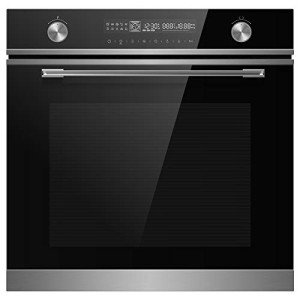
Types of Ovens
Ovens are available in numerous types, each created for particular cooking techniques and styles. Here is a comprehensive look at the most common types of ovens:
| Type of Oven | Description | Best For |
|---|---|---|
| Conventional Oven | Utilizes heating aspects located at the top and bottom for even cooking. | Baking, roasting, and general cooking |
| Stove | Functions a fan that circulates hot air for quick and even cooking. | Baking pastries and cookies, roasting meats |
| Steam Oven | Uses steam to prepare food, protecting moisture and nutrients. | Vegetables and fish |
| Microwave | Quickly cooks food using microwave radiation. | Reheating and quick meals |
| Wall Oven | Built directly into the wall for space-saving cooking services. | Little kitchen areas and modern-day styles |
| Ability Level | Provides numerous cooking modes including baking, broiling, and toasting. | Flexible cooking needs |
Kinds of Hobs
Hobs, also understood as cooktops, come in numerous types based upon their fuel source and style. Comprehending these choices can assist in finding the right suitable for your kitchen setup:
| Type of Hob | Description | Best For |
|---|---|---|
| Gas Hob | Makes use of gas flames for cooking, supplying immediate heat control. | Conventional cooking techniques |
| Electric Hob | Uses electric coils or induction aspects to heat pots and pans. | Even heat distribution |
| Induction Hob | Uses electromagnetic energy to directly warm pots, supplying fast and efficient cooking. | Energy-efficient cooking |
| Solid Plate Hob | A type of electric hob with solid plates that takes time to warm up but maintains heat well. | Slow cooking |
| Ceramic Hob | Features a glass-ceramic surface area enabling for simple cleansing, with electric heating aspects below. | Visual appeal |
Elements to Consider When Choosing an Oven and Hob
Selecting the best oven and hob mix needs careful factor to consider of a number of factors. Below is a list of crucial aspects to remember:
-
Cooking Style
- Are you an everyday cook or an occasional baker?
- Do you choose steaming or frying?
-
Kitchen Size
- What area is available in your kitchen for the appliances?
- Will you need built-in or freestanding designs?
-
Fuel Source
- Do you have access to gas, or would you prefer electric?
- Are you thinking about induction cooking technology?
-
Budget plan
- What is your spending plan for buying an oven and hob?
- Are you thinking about a high-end design or a more economical option?
-
Energy Efficiency
- Are you seeking to reduce your energy intake?
- Do you prefer devices that come with high-efficiency scores?
Advantages of Ovens and Hobs
Both ovens and hobs bring distinct benefits to the kitchen. Here’s a summary of some benefits:
Ovens:
- Versatility: Able to handle a wide variety of cooking approaches from baking to roasting and broiling.
- Consistent Results: Even heat circulation offers dependable cooking outcomes.
- Large Capacity: Ideal for large meals and batch cooking.
Hobs:
- Control: Gas hobs provide instant heat changes, helpful for exact cooking.
- Effectiveness: Induction hobs are known for their quicker heat-up energy and times performance.
- Independent Cooking: Multiple hobs enable for cooking numerous meals all at once.
Choosing the ideal ovens and hobs is crucial for anyone aiming to enhance their cooking abilities and kitchen efficiency. By comprehending the different kinds of each home appliance, along with their advantages and functions, consumers can make educated choices that cater to their cooking practices and choices.
As kitchen areas evolve, so do the technologies surrounding cooking devices. Investing in the best mix of an oven and hob can lead to much better cooking experiences, higher food quality, and even pleasurable time spent in the kitchen.
Frequently Asked Questions (FAQs)
-
What is the distinction between convection and conventional ovens?
- A stove uses a fan to circulate air for even cooking, while a standard oven relies just on the top and bottom heating elements.
-
How do induction hobs work?
- Induction hobs use electro-magnetic fields to straight warm pots and pans made of magnetic materials, leading to quicker cooking times and more energy efficiency.
-
Are gas hobs safer than electric hobs?
- Safety depends on usage and setup. Gas hobs need correct ventilation and can present a fire hazard, while electric hobs may position risks of burns due to their hot surface areas.
-
Can I bake in a steam oven?
- Yes, a steam oven can be utilized for baking, frequently leading to moister and fluffier baked products, especially breads and pastries.
-
What should I try to find in a built-in oven?
- Try to find functions like capability, cooking modes, energy performance ratings, and ease of cleansing.
By considering the details and guides provided in this article, readers can quickly browse the world of ovens and hobs, making sure that they choose the best devices to fit their cooking requirements.
No listing found.