

integratedelectricoven1900
About integratedelectricoven1900
12 Companies That Are Leading The Way In Built In Range
The Comprehensive Guide to Built-In Ranges: Elevate Your Culinary Experience
In the ever-evolving world of kitchen style, the built-in range has actually emerged as a favored option for homeowners and culinary enthusiasts alike. Perfectly integrated into cabinets, built-in ranges not just add a touch of sophistication to your kitchen however also enhance functionality and cooking efficiency. This post dives into the various elements of built-in ranges, including their advantages, types, setup considerations, functions, and regularly asked questions.
What is a Built-In Range?
A built-in range is a cooking device that is created to be set up straight into kitchen cabinetry or countertops. Unlike freestanding ranges, which stand alone and are typically fitted with a back panel, built-in varieties provide a structured appearance and can in some cases blend flawlessly with other kitchen aspects.
Advantages of Built-In Ranges
Built-in varieties provide numerous advantages that can make a substantial influence on your cooking experience and kitchen visual. Here are a few of the crucial advantages:
- Aesthetic Appeal: The streamlined design and custom-made setup of built-in varieties create a refined, professional kitchen appearance.
- Space-Saving: Built-in ranges can help enhance kitchen space by integrating flawlessly into cabinetry.
- Improved Cooking Performance: Many built-in varieties boast sophisticated cooking technologies, offering functions that improve cooking accuracy and performance.
- Customization Options: Homeowners can choose from various sizes, styles, and features to fit their unique needs and kitchen styles.
Types of Built-In Ranges
Built-in ranges been available in a range of types to cater to various cooking preferences and kitchen layouts. The main kinds of built-in ranges include:
| Type | Description | Secret Features |
|---|---|---|
| Wall Ovens | Installed at eye level, generally used for baking and roasting. | Self-cleaning choices, multiple cooking modes. |
| Counter top Ranges | integrated Oven electric directly into the counter top for a smooth appearance. | Readily available as gas, electric, or induction models. |
| Dual-Fuel Ranges | Integrates a gas cooktop with an electric oven for optimum cooking. | Precise temperature control and even baking. |
| Commercial Ranges | Created for sturdy cooking, ideal for serious home chefs. | High BTU outputs and robust building. |
Selecting the Right Built-In Range
When picking a built-in range, consider the list below elements:

- Size: Ensure the range fits your kitchen area and cabinets dimensions.
- Fuel Type: Choose in between gas, electric, or induction based upon your cooking preferences.
- Features: Look for particular functions such as stove, warming drawers, or touch control user interfaces that match your cooking design.
Installation Considerations
Appropriate installation is crucial for built-in varieties to make sure security, performance, and efficiency. Here are key factors to consider for the setup process:
- Space Measurement: Measure the offered area properly before purchasing to avoid issues during setup.
- Electrical Requirements: Ensure that electrical hookups satisfy the specs for electric or induction ranges.
- Ventilation: Proper ventilation is necessary for gas varies to prevent gas buildup and ensure safe operation.
- Professional Installation: Hiring a licensed professional for installation is a good idea to browse any pipes or electrical difficulties securely.
Secret Features of Built-In Ranges
Modern built-in varieties come geared up with a myriad of features developed for benefit and enhanced functionality. These features consist of:
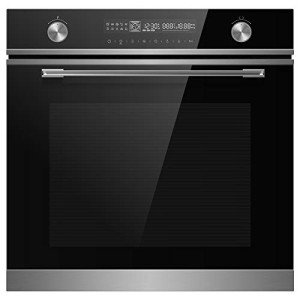
- Smart Technology: Wi-Fi-enabled varieties enable remote monitoring and control by means of mobile phones.
- Self-Cleaning Options: Simplifies the cleansing process with self-cleaning cycles that burn residue.
- Dual Fuel Options: Offers the best of both worlds by combining gas cooktops with electric ovens.
- Temperature level Probes: Allow exact cooking by monitoring the internal temperature level of dishes.
Frequently Asked Questions About Built-In Ranges
1. What is the distinction between a built-in range and a wall oven?A built-in range combines a cooktop and an oven in one appliance, while a wall oven is a standalone system installed at eye level without a cooktop.
2. Can I set up a built-in range myself?While some property owners may try DIY installation, it’s advised to work with an expert for security and to fulfill local building regulations.
3. Are built-in varieties more costly than freestanding models?Normally, built-in varieties can be more pricey due to their custom setup and premium functions, but they also improve the kitchen’s overall design and performance.
4. How do I preserve a built-in range?Regular cleansing, appropriate use of functions, and routine examinations will help maintain the performance and look of a built-in range.
5. Do built-in varieties offer much better cooking capabilities than freestanding varieties?Lots of built-in ranges featured sophisticated innovations and higher BTU outputs, permitting boosted cooking efficiency.
Built-in varieties represent a substantial financial investment in both functionality and aesthetic appeals for any kitchen. With a variety of styles and functions, they meet the requirements of casual cooks and cooking enthusiasts alike. When thinking about a built-in range, it is necessary to examine your cooking habits, kitchen design, and preferences to find the perfect fit. By understanding the advantages and alternatives readily available, homeowners can elevate their cooking experience and take pleasure in the culinary potential a built-in range has to use.
No listing found.